


Documentation required to sell a villa in Pollença


One of the most critical aspects when selling a villa in Pollença is having the correct documentation in place. A sale can progress smoothly or come to a complete standstill depending on how clear and well-prepared the legal and technical documentation is from the outset.
In this article, we review the key documents required to sell a villa in Pollença and explain why having them properly checked in advance is essential for a successful transaction.
Why documentation is essential when selling a villa
Buyers, especially international ones, place a high value on legal security. Incomplete or unclear documentation often leads to:
Hesitation during viewings
Repeated requests for clarification
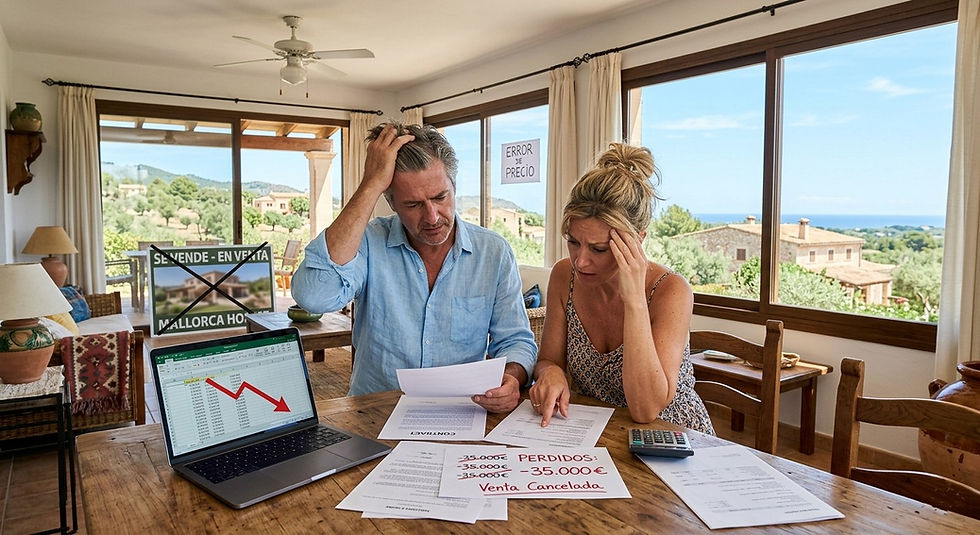
Delays at the notary stage or even cancelled deals
Well-prepared documentation builds trust and reduces uncertainty.
Title deeds and land registry status
The title deed is the foundation of the sale. It is essential to verify:
Correct ownership details
Consistency between the deed and the physical property
Existing charges, mortgages, or restrictions
Any discrepancies should be addressed before the property is marketed.
Cadastre and registry consistency
Many villas show differences between:
Cadastral records
Land Registry information
The actual physical situation of the property
Identifying these discrepancies early helps avoid problems during the buyer’s legal due diligence.
Energy performance certificate
An energy performance certificate is mandatory when selling a villa. This document:
Classifies the energy efficiency of the property
Is required from the beginning of the marketing process
Must be valid and up to date
Missing certificates can result in fines and delays.
Licences and urban planning compliance
Villas in Pollença may include:
Extensions
Swimming pools
Outbuildings or terraces
It is crucial to confirm whether these elements are legally authorised or fall under specific planning regulations.
Certificate of occupancy
Although not always requested by buyers, the certificate of occupancy:
Confirms residential use
Facilitates financing and utility connections
Adds an extra layer of legal security
Its validity should be reviewed, particularly in older villas.
Utility bills and ongoing costs
Having recent documentation for:
Property tax (IBI)
Waste collection
Water and electricity
allows sellers to respond quickly and transparently to buyer enquiries.
The importance of reviewing documentation before selling
Many sales issues arise when documentation is reviewed too late. Preparing in advance helps to:
Identify and resolve legal issues
Set realistic expectations
Avoid renegotiations at a late stage
👉 Discover the complete and structured process to sell a villa in Pollença, with a strong focus on documentation and legal clarity.


Comments